
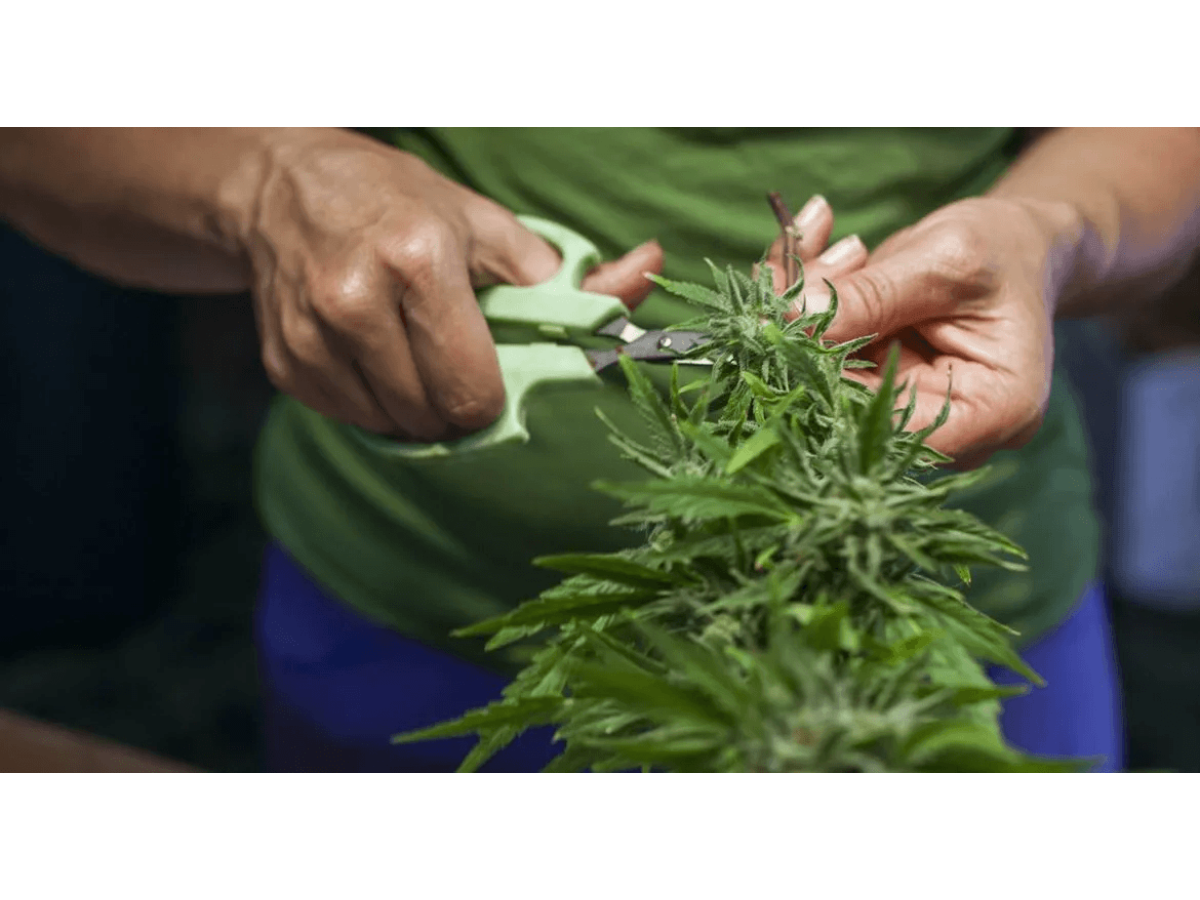
After harvesting, many growers believe the hardest part is over. In fact, proper trimming is crucial for the appearance of the buds, their aroma, resin concentration, and the quality of the finished product. If this step is performed incorrectly, you can lose some trich, impair the flavor, or even create conditions for mold growth during drying.
In this article, Sports Seeds specialists will take a detailed look at the main methods of trimming cannabis, explain the difference between wet and dry methods, share essential tools, and help you avoid the most common mistakes. Whether you've grown your plants indoors or outdoors , proper post-harvest care will maximize the potential of any strain.
Why is proper pruning so important?
Trimming isn't just about giving the buds a neat appearance. It removes large fan-shaped leaves and excess sugar leaves, which don't improve the quality of the finished product. This allows the buds to dry more evenly, have better ventilation, and retain their quality significantly longer.
Properly trimmed buds contain less chlorophyll, which positively impacts flavor and smoothness after drying and maturation. Furthermore, careful trimming preserves the maximum number of trichomes, which contain the majority of cannabinoids and terpenes.
Another important benefit is the reduced risk of fungal diseases. If a large number of extra leaves remain on the buds, moisture can accumulate inside. This moisture is often the cause of mold growth during drying.
Benefits of Proper Pruning
- neat appearance of inflorescences;
- better preservation of terpenes;
- less chlorophyll;
- more uniform drying;
- reduced risk of mold growth;
- improving taste and aroma.
Wet or dry pruning: which method to choose?
For many years, growers have been debating which pruning method is more effective. There's no universal answer. Both options have their advantages and work well when done correctly.
Wet pruning is performed immediately after harvesting, while the plant is still fresh. The sugar leaves remain firm, making them easy to see and remove carefully. This is why this method is often recommended for beginners.
Dry pruning is performed after the drying process is complete. During this time, the leaves dry out and partially curl around the buds. The process becomes more delicate, but many experienced growers note better preservation of aromatic compounds and a slower drying of the buds.
Benefits of wet pruning
- easier to work with leaves;
- drying is faster;
- less risk of moisture accumulation;
- a simple option for beginners.
Benefits of dry pruning
- better preservation of terpenes;
- slower drying;
- more intense aroma;
- high quality of finished inflorescences.
What tools will you need?
High-quality cutting doesn't require expensive professional equipment. Most home engravers only need a few simple tools. The key is to keep them clean throughout the process.
Sharp scissors or pruning shears with thin blades remain the most important tool. These allow you to carefully remove leaves without damaging the buds. It's equally important to wear clean gloves, as resin quickly sticks to your hands and can damage the trichomes.
It's also a good idea to have a container of rubbing alcohol or special cleaning wipes on hand. When cutting, resin accumulates on the blades, making the cuts less precise.
Basic grower kit
- sharp pruning shears;
- pruning shears;
- sterile gloves;
- scrap tray;
- isopropyl alcohol;
- clean work surface.
Preparing for pruning
Before you begin, prepare your workspace. It should be well-lit, clean, and spacious. This will allow you to work carefully, even with dense buds, and avoid losing precious trichomes.
It's best to disinfect all tools before starting work. If you're pruning a large number of plants, clean the scissors every 20-30 minutes. This will not only make the job easier but also prevent the transfer of potential pathogens between plants.
It's equally important to decide on the pruning method in advance. If you plan to use the wet method, work should begin immediately after harvesting. For dry pruning, the drying process must first be completely completed.
Step 1: Removing Fan Leaves
The first step is always removing the large fan-shaped leaves. These contain virtually no resin and only complicate further work. Furthermore, it is the large leaves that most often retain moisture during drying.
Work carefully, cutting the leaves as close to the stem as possible. If the leaves are easily separated, they can be carefully removed with gloved hands. When dry pruning, it's best to use scissors to avoid damaging the already dried inflorescences.
After completing this step, working with the buds becomes much easier. Their shape is clearly visible, as are the small sugar leaves that need to be removed next.
Step 2: Trimming the Sugar Leaves
Sugar leaves get their name from the large number of trichomes covering their surface. Despite their cannabinoid content, these leaves are typically removed to improve the appearance of the buds and enhance the quality of the finished product.
When wet pruning, the sugar leaves are clearly visible and easy to cut. When dry pruning, they adhere more closely to the buds, so special care must be taken to avoid damaging the resin glands.
The main rule is not to cut too deeply. Careless cutting can damage the trichomes and partially reduce the quality of the future harvest. It's better to spend a little more time but preserve the natural shape of each bud.
Step 3: How to Preserve Trichomes While Trimming
During final processing of the harvest, special attention should be paid to the trichomes. These microscopic resin glands contain the bulk of cannabinoids, terpenes, and other valuable compounds. They are easily damaged by even light mechanical contact, so careless handling can negatively impact the quality of the finished product.
It's best to handle the buds only by the short stem. It's not recommended to squeeze or move the buds unnecessarily. During wet trimming, resin quickly accumulates on gloves and scissors, so tools should be cleaned regularly. When dry trimming, the main danger is excessive pressure, which can easily cause trichomes to fall off.
To maximize the strain's potential, all movements must be smooth and precise. The less contact with the flower surface, the more aromatic substances and resin will remain before drying and ripening.
How to avoid losing trichomes
- hold the buds only by the stem;
- do not squeeze the inflorescences with your hands;
- use sharp scissors;
- clean your tools regularly;
- take your time while working;
- Avoid applying excessive pressure to the buds.
What to do with scraps after finishing work
After pruning, a large amount of plant material remains. Not all of it is equally valuable, so it's important to sort it properly. Large fan-shaped leaves contain virtually no trichomes and are most often composted or disposed of.
Sugar leaves are a completely different matter. They are covered in resin glands, so they contain a certain amount of cannabinoids and terpenes. Many growers store these cuttings for future use, in accordance with local laws.
If you plan to keep the sugar leaves, they must be dried as thoroughly as the main harvest. It is recommended to store the cuttings in airtight containers in a cool, dark place.
Checking for dryness before ripening
For those using the dry pruning method, it's crucial to ensure the blooms are completely dry. Even a small amount of residual moisture inside the dense buds can lead to mold development during storage.
Checking for doneness is fairly simple. A well-dried flower head will remain firm but not soft. If you gently break a small bud, its core should not be damp or cold to the touch.
If you can still feel some moisture inside, it's best to continue drying for another 24 hours. Rushing at this stage can ruin even the best-quality harvest.
Signs of properly dried inflorescences
- the surface is dry, but not over-dried;
- the stem breaks easily;
- there is no damp smell;
- the buds do not leave a feeling of moisture;
- the structure remains elastic.
Why you should clean your tools regularly
When pruning, resin quickly accumulates on scissors. This makes the blades less effective, leaves tear instead of making a clean cut, and the job itself takes much longer.
Regularly cleaning your tools with alcohol or special wipes helps maintain precision and reduces the risk of damaging blossoms. Furthermore, clean scissors are significantly safer from the transfer of potential pathogens between plants.
If you are pruning a large crop, it is best to clean the blades every 20-30 minutes or immediately after a noticeable layer of resin appears.
How does pruning affect the quality of the finished product?
Proper trimming directly impacts more than just the buds' appearance. It also determines how evenly the drying process will proceed, how well the buds will hold up, and whether the finished product will retain its flavor after long-term storage.
Removing excess leaves significantly reduces chlorophyll levels. This results in a cleaner aroma and a more pronounced flavor profile after ripening. This is why experienced growers devote as much attention to pruning as they do to the growing process itself.
Carefully processed inflorescences also have a better marketable appearance. They appear denser, neater, and dry evenly, which positively impacts subsequent storage.
Quality genetics are the basis for good results
Even perfect pruning can't compensate for weak genetics. That's why successful growing begins with the right choice of planting material. High-quality, original cannabis seeds ensure stable plant development, high yields, and good resistance to stress.
The Sports Seeds catalog offers a wide selection of modern genetics from leading global producers. Here you can purchase feminized seeds , classic sativa varieties, powerful indica , productive hybrids, and autoflowering strains for both indoor and outdoor growing.
If you have questions about choosing a variety or growing specifics, Sports Seeds consultants will help you find the best option. The store offers a wide selection, professional advice, and fast delivery of genuine seeds throughout Ukraine.
Conclusion
Trimming cannabis is one of the final, yet crucial, steps after harvest. It helps preserve the aroma, flavor, appearance, and maximum trichome count. The choice between wet and dry trimming depends on your growing conditions, experience, and personal preference, but both methods can produce excellent results when performed correctly.
It's equally important to use clean tools, handle the flowers carefully, and take your time. Combined with high-quality genetics, proper drying, and ripening, this will ensure the highest-quality harvest.
Frequently Asked Questions
Which pruning is better - wet or dry?
Both methods are effective. Wet trimming is easier for beginners, while dry trimming is often chosen by experienced growers for better preservation of aromatic compounds.
Should all sugar leaves be removed?
In most cases, yes. This improves the appearance of the inflorescences, the uniformity of drying, and the taste of the finished product.
Why do scissors need to be cleaned frequently?
Resin quickly accumulates on the blades, which deteriorates the quality of cuts and increases the risk of damaging the buds.
Can I use scraps?
Sugar leaves contain trichomes and are often stored for later use in accordance with current legislation.
Where to buy quality cannabis seeds?
Sports Seeds offers a wide selection of modern strains from leading global seed banks. We offer consultations, assistance in choosing, and fast delivery of genuine seeds throughout Ukraine.