
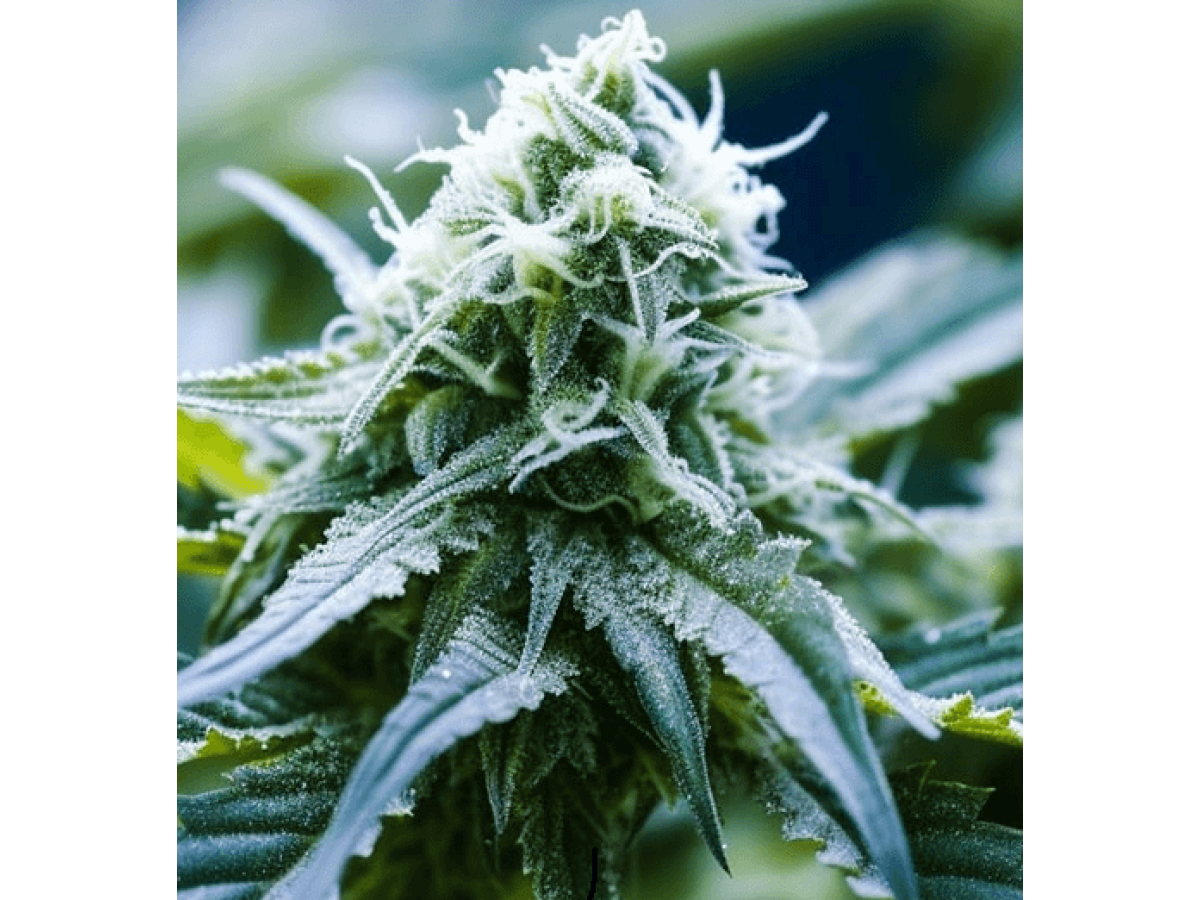
Cannabis is considered a fairly hardy plant, but even the most stable genetics have their limits. Temperature directly affects photosynthesis, nutrient absorption, resin formation, and overall crop development. That is why microclimate control is considered one of the main factors in successful cultivation. Many beginners focus exclusively on lighting or fertilizers, but often underestimate how critical overheating or hypothermia can be.
Excessive heat can literally "dry out" a plant in a few hours, especially in a closed space with poor ventilation. Too low a temperature acts differently - it slows down internal processes, inhibits growth, and creates severe stress for the root system. If the plant is exposed to frost, the cells can be destroyed at the physical level. That is why experienced connoisseurs of quality genetics always carefully monitor the temperature of the air and substrate.
In modern cannabis cultivation, a stable microclimate is almost as important a part of the process as the right cannabis seeds. Without temperature control, even powerful genetics may not reach their potential. That is why grow systems today are equipped with fans, climate control, LED lighting and automatic sensors.
What temperature is critical for cannabis
The plant develops best in a stable and moderate environment. The plant is able to withstand short-term temperature fluctuations, but prolonged stress quickly leads to problems with the growth and quality of inflorescences. The two extremes are considered the most dangerous - frost and extreme heat. It is these conditions that most often cause serious damage or complete death of the plant.
Temperatures below 0°C are considered critical for most varieties. When the water inside the cells begins to freeze, it expands and literally destroys the plant's tissues from the inside. After thawing, the leaves often darken, become sluggish and lose their structure. If the frost lasts for a long time, the crop may not recover. Frosts are especially dangerous for young plants and delicate sativa genetics.
No less dangerous is extreme heat. At temperatures above 40°C, cannabis begins to lose its ability to regulate internal processes normally. Photosynthesis slows down, moisture evaporation becomes excessive, and the plant goes into survival mode. If overheating lasts too long, the leaves dry out, and the root system receives critical stress.
That is why professional growers constantly monitor the temperature both day and night. Stability — This is the foundation of healthy growth and a quality harvest.
How cold affects marijuana plants
Cold stress does not always kill the plant immediately, but it almost always has a negative effect on its development. Already at temperatures below 13°C, cannabis begins to slow down the absorption of nutrients. This is especially true for phosphorus and potassium. Because of this, the leaves may lose their color, and the stems may acquire purple or dark shades.
Many beginners mistakenly believe that cold is not a serious problem. In fact, a plant in a cold environment spends a huge amount of energy simply to maintain basic life processes. As a result, growth slows down, photosynthesis activity decreases, and the development of the root system deteriorates.
Cold is especially dangerous for roots. Even if the air temperature is still relatively comfortable, a cold substrate can block the absorption of nutrients. This makes the plant look weak and depressed even with sufficient watering and lighting.
Some genetics with ruderalis lines can tolerate short-term cold snaps a little better, but prolonged frosts remain critical for almost all strains. This is why outdoor growers often use greenhouses, mulch, or temporary shelters during sudden temperature changes.